Most Frequently Asked Plumbing Questions

shutterstock_118647286Professional plumbers hear certain questions over and over again.

Let’s get you up to speed on home plumbing basics by covering the most frequently asked about topics.

Why does my drain get clogged?

Slow drains and stubborn clogs are two of the most common recurring plumbing issues faced at home.

Most blockages in the kitchen can be prevented by paying more attention to what you wash down the drain. Even a garbage disposal unit shouldn’t be a replacement for a trash can.

In the bathroom, however, clogs will form slowly over time through normal usage. Hair, oils, shampoo, soaps and other body products leave residue over time that need to be periodically washed away. Read this helpful pipe maintenance post for cleaning tips.

How can i get more life out of plumbing fixtures/equipment?

Extending the lifespan of your water heater and fixtures is best done through the installation of a water softener system. Conditioning your water leads to less damaging scale build-up.

Why is my toilet running?

A toilet that won’t stop running is generally a sign that you need to replace your flapper.

But sometimes the chain simply needs to be readjusted so that the rubber sits properly on top of the flush valve.

Simply remove the lid to your tank and flush to investigate whether your flapper is creating a seal. If the flapper appears to be seated correctly but the toilet continues to run, the rubber is damaged and you need a new flapper.

Another possible cause of a running toilet is that the water level is set too high. If water is flowing into the overflow tube, adjust the float until the water level is approximately 1 inch below the top of the tube.

Why are we running out of hot water so quickly?

Declining hot water heater performance is usually attributed to scale build-up that prevents the heating elements from working properly or from complete element failure.

Pro Tip: Another cause for running out of hot water is simply that your hot water heater is not large enough for your household.

What causes a faucet to drip?

Most leaky faucets can be easily repaired by replacing the washers. To avoid washer damage in the future, turn off faucets gently and smoothly.

Why is my hot water heater leaking?

In most cases a leaky hot water heater means it’s time to buy a new one. Most leaks are caused by the inner tank rusting through and there is no way to repair this damage once it is done.

Extend the life of your water heater by replacing the sacrificial anode rod before it rusts away.

Are chemical drain cleaners safe to use?

Not really.

Chemical drain cleaners can cause damage to your drain pipes that lead to much bigger problems than dealing with a clog.

Use all natural bacteria & enzymes to clear clogs, even if you need to be more patient when waiting for the product to work.

What should i do in the event of a major water leak?

At the first sign of a major water leak you need to shut off the main intake valve at the street.

Some valves require a special tool to be turned. Remember that the time to purchase this tool and locate your main intake valve is right now –not when a pipe has burst and water is filling up your home.
Posted in Uncategorized | Leave a comment

8 Must Haves for a Truly Designer-Quality Bath

GettyImages-497127908Upgrading to a sumptuous home spa can transform your daily routine. Instead of the bathroom being a place to bathe and “do your business,” it becomes a space to relax, get away and escape from stress and worries.

And while a lavish soaking tub, rainwater shower head and soothing body sprays are the first luxuries you’d think to include in your design scheme, not all designer upgrades are so obvious. Here are eight ideas to elevate your bath to the next level and beyond.

1. Elegant Tile

High-quality paint, laminate or wallpaper can absolutely replace low-quality tile. But no wall or floor covering can hold a candle to the sophistication of high-end tilework. Tile is smooth, classy and luxurious. Plus, floor to ceiling coverage means you won’t have to worry about splashing water on the walls.

2. High-End Toilet

On the surface it may seem wasteful to spend money on an expensive toilet when those funds could be used for upgrading “fun” pieces such as lighting or plumbing fixtures.

But you likely only feel that way because you’ve never owned a high-end toilet. A quality toilet won’t leak, is easier to clean, continues to look new for years to come and provides simple lines for a more contemporary look.

3. Custom Vanity

Whether you refurbish an antique armoire with vessel sinks or invest in a custom-built masterpiece, no designer bathroom will ever feature a stock vanity. Along with lighting, the vanity is one of the few pieces in the room where you can get truly creative and think outside the box.

4. Heated Floors

In-floor radiant heating ensures your home spa getaway stays cozy 365 days a year. The technology is surprisingly affordable, especially given that this heating technique is very energy efficient.

5. A Feature Wall

Choose a wall, any wall, and make it pop. If money is no object, consider a gorgeous stone slab. Other options include a tile mosaic or floor to ceiling mirrors.

6. A Touch of Nature

A potted plant or fern adds warmth to your bath and makes the space feel comforting and inviting.

Depending on your climate, a small cactus or bonsai tree are great options that require very minimal care. Some homeowners simply adore the smell of fresh cut flowers from the garden.

7. Statement Lighting

A well-planned bathroom lighting scheme balances the need for ambient, task and accent lighting. But a luxury designer bath features a fourth element: A statement making chandelier or pendant hung purely for aesthetics.

8. Unlimited Storage

A lavish bathroom needs plenty of extra space to store oversized fluffy towels, bathrobes, candles, essential oils, bath salts and all the extra goodies you need to unwind and escape.

You may not equate storage with luxury but it’s hard to relax in a room filled with clutter!

Posted in Uncategorized | Leave a comment

Hot Kitchen Design Trends for 2017

GettyImages-682477604Ready to knock it out of the park with your kitchen renovation? We’ve scoured the web in search of the hottest design trends so you don’t have to. Impress visitors to your new kitchen with style and panache!

Stay Organized

First and foremost, kitchen upgrades should be about improving the usability of the space. and if there’s one thing you’re always short of in the kitchen it’s more storage.

Nip this problem in the bud with pullouts, rollouts and extra-deep drawers for dishes, crockery, pots and pans.

Sterility isn’t Just for the Hospital

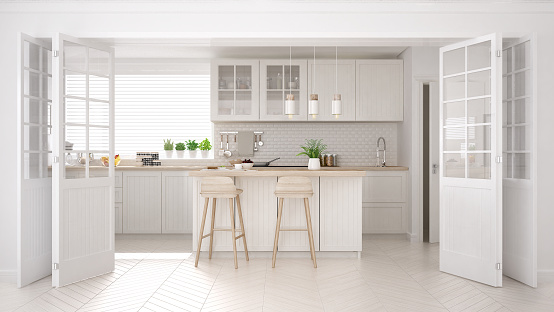
Bold can be beautiful, but the most common color palette for modern kitchens is white or off-white (eggshell, cream, beige or gray). Nothing looks cleaner than a white kitchen—but remember that keeping a white kitchen sparkling clean is part of the equation.

Those not content with a white color scheme might opt for color-block schemes to contrast light countertops and cabinets. Green is in for 2017 as well as dark gray or even black.

A Space to Chill

The rise of the open-concept kitchen slash family room floor plan is changing the way we think about the space. Instead of being a dedicated work space, the kitchen is now an active gathering area.

Adding furniture pieces that wouldn’t normally belong in a kitchen is a great way to make the room more welcoming and meld it together with the rest of your home. Along the same lines, it’s not uncommon these days to hang a flatscreen TV as part of a kitchen makeover.

Dedicated Wine Storage

With each passing year American homeowners become more epicurean. Adding unique wine storage or even a built-in wine refrigerator takes your culinary dreams to the next level.

There’s no reason that an amateur chef should have amateur wine storage. A gorgeous exposed wine rack can add utility and glamor to any kitchen.

Down with Tradition?

Traditional kitchen style is slowly being taken over by contemporary and even industrial motifs. Would be restaurateurs are loving a kitchen that feels more like a chic New York gastro-pub and less like grandma’s place.

The one exception is the farmhouse. While hardly a new concept, farmhouse style is popular in suburban homes wanting to create an ambiance that’s more country and less urban.

Mountain Modern

Imagine the kitchen theme at an upscale ski retreat in Colorado. Now, transpose these basic design concepts to your kitchen at home.

Think “lodge” and not “cabin”: Concrete countertop. Thick, rustic wood features. Hardwood floors. Big windows and tons of natural light.

Coffee Stations

Gone are Folger’s Crystals forever. Today’s homeowner owns several different types of coffee brewing apparatuses. Why not include a space to house and utilize this equipment properly?

Bye-Bye Kitchen Table

Who would ever have envisioned a future where the kitchen table is obsolete? It’s here, and it’s called a gourmet food prep island with seating for the whole family.

Upscale Appliances

As Americans take cooking more seriously, it only makes sense that we’d upgrade the capabilities of our basic kitchen tools. High-end refrigerators and ovens offer high-end features that will revolutionize meal prep.

Across the board, trends point to the kitchen of tomorrow being a much more gourmet affair. As our gastronomical abilities improve, so will our desire to have all the good stuff available to top chefs—right there in the comfort of our own homes.

Posted in Uncategorized | Leave a comment

Guest Bathroom Design Ideas

GettyImages-469842642Renovating a guest bathroom is very different design-wise from upgrading your master en suite bath or revamping your home’s primary bathroom. Here are five nuances that distinguish guest bathroom design from a standard bath.

1. A Question of Size

The guest bath is often the smallest bathroom in the house. This means implementing proven design tricks to get more out of less square feet:

  • Install a pedestal or corner sink
  • Float the vanity
  • Hang an oversized mirror for the illusion of more depth
  • Choose smaller fixtures
  • Consider built-in storage
  • Extend countertop over toilet (or hang standalone shelf)

Embrace the smaller space by enjoying greater freedom when it comes to budget. With less room to fill and fewer things to buy, it’s easier to rationalize splashing out on a truly extraordinary sink or top-of-the-line faucet or shower head.

2. A Different Set of Needs

In your master bath, it’s vital to create a soothing getaway for relaxing after a long day of work. Since guests likely won’t be taking the time for a long soak with candles and wine in the tub, there’s no need to invest in a spa-like retreat.

A three-quarter bath with stand-up shower is more than sufficient for most guests’ daily needs. It’s okay to go more efficient and less luxurious.

Along a similar vein, guests won’t have the same storage requirements for soaps, toiletries and other bath accessories. It’s also not necessary to set aside storage space for dedicated cleaning supplies.

3. Fun and Bold

Take a walk on the wild side when it comes to decorating. Large, daring prints that may be over-the-top in a larger space can help give your guest bath some personality.

Unique bathroom fixtures, one-of-a-kind furnishings, clashing styles—the sky’s the limit as guest bathrooms are exempt from “matching” with the rest of your home’s theme or style.

The room should be warm and welcoming, but don’t be afraid to go out on a limb in an effort to entertain visitors to your home.

4. A Note on Half Baths

Many homes are equipped with a half-bath for company near common entertaining areas.

Like a bathroom meant for overnight guests, “hallway” baths are granted much more leeway stylistically and are often considered “standalone” spaces in the home.

The smaller the space, the freer you are to inject bright colors and eclectic design pieces.

5. On a Tight Budget?

Take advantage of less stringent design rules by mixing and matching and shopping the sale rack at your local plumbing supply showroom. You can pick up discounted high-quality pieces that have been discontinued or returned by other customers.

Posted in Uncategorized | Leave a comment

Exploring Kohler’s Water Transforming Technologies

GettyImages-543340646Known for bold styles, enduring quality and flawless functionality, Kohler’s products are on the cutting edge of the plumbing supply industry. Many consumers take for granted the commitment to research and development required to consistently improve faucets, shower heads, toilets, sinks and more.

In this post, we’ll look at several of the revolutionary water transforming technologies Kohler has implemented to keep its product lines at the top of the pack.

Water Conservation

A great many of Kohler’s products qualify to be labeled as WaterSense approved. WaterSense is the Environmental Protection Agency’s partnership program which aims to promote water-efficient products, programs and practices across the United States.

  • Toilets: Approved toilets discharge 1.28 gallons of water or less with every flush. On average, a WaterSense toilet can save a family of four an incredible 16,500 gallons of water per fixture per year.
  • Shower heads and hand showers: A low water flow rate of 1.75 gpm (gallons per minute) is required to qualify for the WaterSense label. While a low flow rate is generally easy to achieve, the real challenge is designing fixtures that use less water while still providing sufficient pressure for a pleasant and effective shower. Kohler’s shower heads and hand showers perfectly balance conservation with functionality.
  • Faucets: Kohler’s special low-flow aerators can help save up to 45% in water usage every single day compared to a traditional 2.75 gpm fixture.

Touchless Faucets

Kohler’s Sensate line takes touch free faucet technology to a new level. The ability to turn your sink on and off simply by placing your hands in proximity of the tap helps keep your fixture clean and smudge free, particularly when your hands are sticky with bread dough or other messy food stuff.

ProMotion, DockNetik and MasterClean

For added convenience and cleansing power, many Kohler kitchen faucets feature pull-down spray heads for rinsing the sink or difficult to reach parts of pots and pans.

ProMotion and MasterClean technologies allow for the smooth and quiet removal of the spray head along with a forceful spray for kitchen cleanup. DockNetik is a magnetic system used to easily glide and lock the spray head back in place.

Numi

The gold standard for personal cleansing and comfort, Kohler’s Numi toilet is light years ahead of the competition.

From the motion activated automatic seat and cover to advanced bidet functionality, integrated air dryer, deodorizer, heated seat and more—there simply isn’t a more advanced toilet on the market.

A touchscreen remote allows you to save personal preferences. Quickly and easily enter your personal profile for your preferred comfort settings.

Posted in Uncategorized | Leave a comment

Spruce Up Your Landscaping with an Outdoor Shower

GettyImages-490177530There are many reasons to consider the installation of an outdoor shower: Rinsing off before hopping into the pool or hot tub, washing up after a day of dirty yard work or simply cooling off on a hot summer day.

An outdoor shower can add both beauty and utility to your garden, not to mention dollars to the value of your home. Here are a variety of outdoor shower concepts, from simple and easy all the way up to back yard luxury.

Small Decisions with Big Consequences

The first step when designing any outdoor shower is determining whether you’re after a fully-enclosed private space for “true” bathing (soap, shampoo, the whole nine yards) or an open-air shower for use with a bathing suit and not your birthday suit!

You’ll also have to decide if the structure will be covered with a roof. Should your shower be exposed to the elements, you’ll need to take this into consideration when choosing the shower head and other fixtures.

Stone Age

An all-stone outdoor shower is a great way to recreate the refreshing sensation of dipping your head under a waterfall.

The construction is simple: Build a 2/3 circle half-moon brick wall with stucco on the outside and dark slate slabs for the interior walls. Adorn the floor with river rock inlays and complete the experience with an overhead rainwater shower head.

Short and Sweet

Small backyard with little room for building? Not a problem. With a simple concrete or wooden post you can install a shower head on a pull-chain for a quick soak or a rinse of your feet.

No drain required—simply plant grass or another foot traffic-proof ground cover under the water flow.

A Vacation Escape

Recreate the soothing ambience of a Mexican holiday rental villa with a gorgeous Talavera tiled shower enclosure. Complete the look with copper or brass fixtures designed to age gracefully with the elements.

Add a burst of vibrant color to your outdoor space and be sure to implement plenty of terra cotta flower pots showcasing the most tropical looking plants that will grow in your local climate.

Scandinavian Style Luxury

Not sure you’ll get enough use out of a standard outdoor shower? Upgrade to a sumptuous cedar sauna or steam bath. Nothing warms up a cold winter chill quite like hot stones and soothing vapor.

Consolidated Plumbing Supply is proud to be an approved vendor of Steamist brand residential steam shower equipment. An outdoor steam room might just be your ticket to year-round relaxation.

Posted in Uncategorized | Leave a comment

How to Know When It’s Time for a New Water Heater

shutterstock_204801109
From bathing to washing clothes and dishes, an uninterrupted supply of hot water is central to your family’s hygiene and comfort.

Replacing your water heater ahead of time is a smarter move than waiting for the appliance to fail at the worst possible moment. Predicting precisely when your water heater will fail may not be an exact science but there are several telltale signs when it’s on its last legs.

Be proactive. Don’t leave your family “in the cold.”

Happy Birthday?

No water heater is built to last forever. Tanks crack. Seals degrade. Rust and corrosion eat away at vital parts.

As a general rule the average lifespan of most water heaters is around 10 years. When yours hits this age, it’s a good idea to consider shopping for a replacement.

If you don’t know how old your machine is, it’s easy to find out. Check the serial number for an alphanumeric code that indicates the manufacture date. You may need to look up how to read the code on the manufacturer’s website.

A Supply that Doesn’t Last

When water temperature slowly declines or hot water seems to run out more quickly than it used to, there’s a good chance something may be wrong with your heating element.

Often all you need to do is replace the element, but sometimes low hot water quality signals hard water deposits have hardened in the tank. If you remove the element and find it coated in minerals, it’s best to purchase a new unit instead of investing money in repairing a heater that’s compromised.

Rust in the Water

Periodic flushing of your water heater is routine maintenance that should not be overlooked. If the water comes out rusty when you empty the tank, it’s possible the tank has corroded past the point of no return.

Worse than spending the money on a new heater today is waiting for a rusted-out tank to leak when you’re out of town tomorrow. Water damage can run into the tens of thousands of dollars in repair bills.

If you notice rusty water coming directly from your taps, it is almost surely time to head to your local plumbing supply warehouse.

Pro Tip: Check your anode rod and replace regularly to extend the life of your tank. An anode rod is a special piece of metal inside the tank designed to pull corrosive material away from the tank walls.

Leaking or Moisture around the Tank

Water on the floor around your tank is almost always a sign the water heater is done for, especially if the unit has surpassed a decade of service.

Check connections and other possible sources of leaking before purchasing a replacement but don’t let a small drip turn into a big one.

Use Your Ears

A water heater that bangs and clangs every time it’s in use is essentially knocking on the door of the scrap heap.

The reason your machine clanks is that crystalized mineral deposits are forcing the element to work harder and harder. This extra exertion causes the tank to expand quickly, leading to loud sounds reverberating throughout the house.

Posted in Uncategorized | Leave a comment

Tips for a Slip-Proof Shower

shutterstock_450627787
Slips and falls in the bathroom represent a serious danger to every household—not just those with children or seniors. Installing some level of slip protection is a vital safety measure that can’t be overlooked.

From quick fixes to full-scale renovation solutions, this post will help keep you on your feet!

Simple and Affordable

The easiest method for staying sure footed while singing in the shower is a special textured floor mat designed precisely for this purpose.

Made to be used while you bathe, mats come in a variety of sizes to fit every tub or shower enclosure. Measure dimensions ahead of time for an accurate fit. Spend the extra money and upgrade to a mat that attaches with high-quality suction cups.

If you don’t like the look of a large mat, consider a number of smaller clings spaced out symmetrically along the floor. Another option is a pair of slip-resistant shower slippers.

Hold on Tight

Installing off-the-shelf grab bars is a low-level DIY project offering big results. Even if you don’t have mobility issues, access to a stability bar makes it easier to wash the bottom of your feet and get in and out of the tub.

Take a Load Off

Most upscale bathroom remodels feature large walk-in shower enclosures, but more room to move also means more room to slide.

Consider installing a tile-covered bench for seated bathing or purchase a waterproof shower chair or stool.

Revamp a Slippery Tub

Over the years, bathtubs lose their anti-slip treatment. If you’ve got an older home and you don’t have plans to rip out your worn-out tub and renovate, hire a contractor for resurfacing.

Special sand can be added to any bathtub refinish to create a non-slip surface invisible to the naked eye.

Starting Over From Scratch

When planning a bathroom remodel or new build, a number of construction decisions have a notable impact on slip and fall safety.

Stay away from porcelain floor tiles in the bathroom as they offer very poor traction when wet. Vinyl or textured tiles are much safer options for wet areas. Always test bathroom flooring materials for grip at the showroom. Splash on a little water and run your thumb along the surface to check for traction.

The most common shower related accident happens stepping in or out of a tub-shower combo. Introduce a dedicated shower stall into your renovation blueprints to remove this major tripping hazard. If you’ve got the space, a dedicated bath and separate shower is the perfect balance between luxury and personal protection.

Special Considerations for Seniors

Installing a walk-in bath is an excellent way to increase safety for seniors while providing loved ones the dignity of being able to bathe on their own.

Safety tubs are equipped with a door that opens for obstacle-free access and non-slip seating areas for easy bathing.

Posted in Uncategorized | Leave a comment

How Long is a Toilet Good For?

shutterstock_194239310
Toilets are designed to stay in service for a very long time, but nothing lasts forever.

Instead of waiting for disaster to strike, use this simple guide to determine whether or not your toilet is due for an upgrade.

Not All Leaks are Created Equal

Water at the base of your toilet isn’t necessarily a sign that your commode is kaput. The most common culprit in this scenario is a failed wax ring, faulty tank seal or loose bolts between the tank and the bowl.

But if the leak is caused by hairline fractures in the bowl or tank, your toilet will most likely need to be replaced.

A plumbing professional can patch the cracked porcelain in some cases, but in general such a repair only buys you time before purchasing a new toilet.

Inefficient Flushing

When thinking of technological advancements in our modern world, most people overlook how far the toilet has come since Thomas Crapper first introduced his life changing invention to the world.

Many older homes feature toilets that have long since become obsolete. While they might work okay, these outdated units lack the flushing power and water efficiency of contemporary toilets.

Homeowners who upgrade to a modern toilet are often amazed by the increased functionality. How would you like to say good-bye to your plunger? Getting rid of that old clunker also means no more special ordering parts for routine maintenance.

Speaking of Maintenance

If your current toilet constantly requires tinkering to work right, it could be time to upgrade to a more maintenance-free model.

All toilets will periodically require new parts, but if you’re opening up the tank on a monthly basis, it’s time to go toilet shopping.

Clash of the Toilets

Unless you’re going for a retro or antique look, most old-fashioned toilets don’t match with modern bathroom design motifs.

A vintage toilet can make the room feel out-of-date. You might be surprised how stylish a new toilet can be and the impact it can make on the look of the space.

Along the same lines, some of the colors popular in the ‘70s and ‘80s were downright hideous. You’d be hard pressed to find an interior designer willing to work with a pink or pea green toilet!

Upgrades Galore

Sometimes there’s nothing wrong with your old toilet other than it being past its prime. Today’s toilets are more comfortable, more reliable, easier to clean and more powerful while using a lot less water.

Posted in Uncategorized | Leave a comment

Think You Have a Leak? A Simple Guide to Find Out

shutterstock_460258408
Every day in the United States, 14,000 people experience a water damage emergency at home or work. Prevent your property from being added to this costly statistic through early leak detection.

If you think you’ve sprung a leak, don’t procrastinate. Find the drip and fix it immediately.

Early Warning

An abnormally high water bill is a common sign that you could have a concealed leak in your home.

Confirm your assumption using your water meter:

  • Check all faucets and water consuming appliances to make sure they are turned off.
  • Mark the current reading on your water meter.
  • Do not use any water for 2 hours.
  • Check the meter again. If it registers water usage, you’ve got a leak.

You can now run a guess and check system throughout the house to try and pinpoint the location of the water flow.

Turn off the intake valve to each toilet, faucet and appliance one at a time until the water meter no longer shows a new flow. Once you think you’ve located the leak, turn that specific valve back on to confirm.

In the case that all valves are closed and you’re still registering usage, it’s likely your leak is due to pipe damage and is hidden within a wall or under the house.

The Most Common Culprit

A leaky toilet is perhaps the most common source of a hidden usage in the home. Always check toilets first when looking for a phantom leak.

  • Once a toilet tank is full it should no longer make noise. Put your ear next to the tank and listen for water flow. Dry the sides of the bowl and wait to see if water flows down from the jets.
  • If you confirm that water is flowing from the tank into the bowl check that the float valve is low enough that the water level is at least 1 inch below the overflow tube.
  • Test the handle mechanism to ensure it is working smoothly. A sticky handle can leave the flapper elevated for water to flow into the bowl.
  • If the toilet is silent but you still suspect it is leaking, squeeze a few drops of food coloring into the tank. If the coloring bleeds into the bowl, you’ve got a faulty flapper that needs to be replaced.
  • Check the floor around the base and underneath the tank. Bad seals or loose tank bolts may also be behind your leak.

Faucets and Taps

Visually inspect all kitchen and bath fixtures for moisture around the base or underneath the sink. A small leak can be hard to spot as water can continuously flow along the outside of the pipe or wall without forming a full droplet to drip.

To confirm that a faucet is leaking, dry the base thoroughly with a paper towel and then return in 15 minutes to check again.

Appliances

Use a flashlight to inspect underneath your hot water heater. In general, a leaky water heater is easy to spot right away.

Appliances that are more likely to have a concealed leak include: furnace humidifier, water softener, ice maker, sprinkler system or swimming pool equipment.

Posted in Uncategorized | Leave a comment